
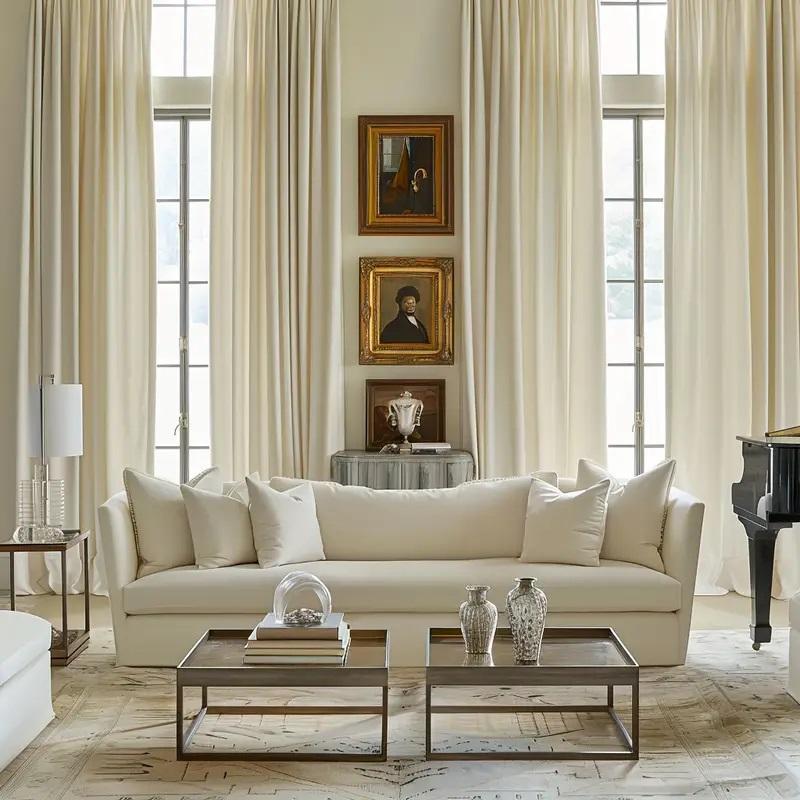
You’ve spent hours online looking at Pins, gotten all the catalogs, and finally placed your order for your new furniture and décor. The big day for delivery arrived and it was a bit anti-climactic. The trumpets didn’t blare and the angels didn’t sing. Your room looked nice enough but just didn’t have that pizazz you thought it would.
Two things at work here:
All material objects have an energy field. Before you stop reading and think this is a bit “woo-woo”, you definitely have experienced this. If you get uncomfortably close to another person, this is an example. If objects like furniture are not placed properly, your room feels “off”.
Of course objects don’t have energy fields like living beings but they do occupy a certain place in relationship to their environment. In design, we call these principles scale, proportion, and procession. These are abstract concepts and as such, elude most homeowners when it comes to decorating and furnishing their homes. You can’t order them online yet they are an essential component of every successful interior plan. Most of my clients think that if they just purchase the right things that the room will fall into place…and most of the time it doesn’t happen because the basic principles of design have not been at the foundation.
The placement of objects create hidden lines and shapes which you do not see, but your mind’s eye does. Horizontal and vertical lines, triangles, circles begin to emerge once you group objects together. Some of these shapes elicit repose, others create movement, and others create chaos. Did you ever wonder why there is a room in your house which nobody uses? Most likely because one or more of these elements is making it uncomfortable to be in.
Science is art and art is science. We used to think that they were on different ends of the spectrum but not really. If you were to plot your room like a histogram, you would see the areas of high interest and those bearing little. To put it another way, a well decorated room is like a sine wave, it contains rhythm and repetition within a certain desired frequency range.
This is how I approach the design of a room. Yes, the furnishings should be beautiful and please the eye and senses. However, the underlying foundation is what makes it sing. The result is a “wow” experience and is the reason which separates the professional result from the layperson’s.
Furnishing a home is not inexpensive. The last thing you want to do is be stuck with costly items which turn out to be regrets. Your professional designer will not allow for mistakes. They will save you time and worry while working under the direction of your particular tastes. If you engage with a “designer” who has a certain look to their work or uses digital color matching tools, run far away. Many people who have not used design services fear that their designer will take over and provide them with things they do not like. A professional does not do this. To be sure you engage with a pro, look for someone with formal training and a membership in a national design organization. A professional designer will help you make your home “you, but better!”.
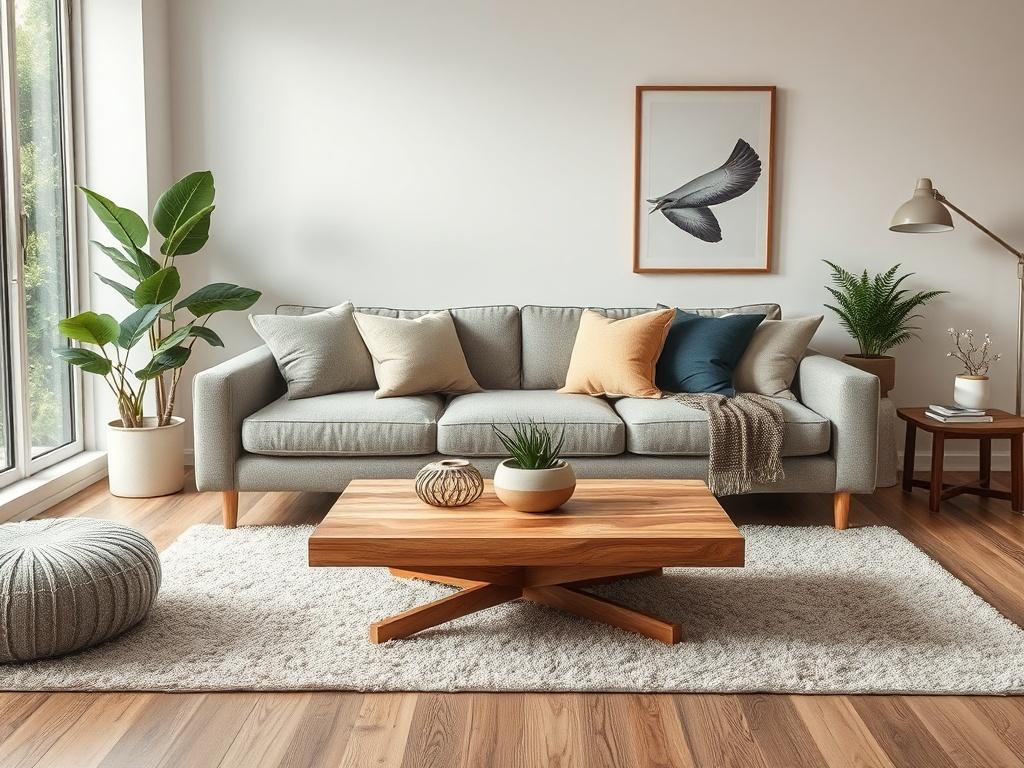
Are you ready to explore how interior design can elevate your environment? The spaces we inhabit significantly influence our mood, productivity, and overall well-being. By thoughtfully curating your surroundings, you can create an atmosphere that not only reflects your personal style but also nurtures your mental and emotional health. From choosing the right colors to selecting functional furniture, the art of interior design goes beyond mere aesthetics; it transforms your living and working environments into sanctuaries that inspire and rejuvenate.
In this blog post, we’ll discover the profound impact of interior design on your well-being and explore effective strategies to elevate your environment with style. We’ll provide practical tips that can help you transform your space into a stunning reflection of your unique taste, ensuring that every corner contributes to a harmonious and inviting atmosphere. Whether you're looking to revamp a single room or undertake a full home overhaul, our insights will guide you on your journey to creating a beautifully designed space that enhances your life.
Discover the impact of interior design on your well-being
Interior design significantly influences our emotions, productivity, and overall well-being. The colors we choose, the layout of furniture, and even the types of materials used can create a specific atmosphere that either uplifts or drains our energy. For instance, a well-lit space with calming colors can enhance relaxation, while vibrant hues can stimulate creativity and motivation. By understanding how our surroundings affect us, we gain the power to curate environments that promote mental clarity and emotional stability.
Moreover, effective interior design fosters a sense of belonging and comfort. Personal touches like photographs, meaningful artwork, and cherished memorabilia can transform a house into a home, providing a refuge amidst the chaos of daily life. When interior spaces reflect our identities and values, they create a harmonious balance that nurtures our well-being. Embracing the nuances of interior design allows us to not only elevate our physical environment but also enhances our emotional health, making our spaces truly supportive of our lifestyles.
Explore strategies to elevate your environment with style
Creating an inviting and harmonious space starts with understanding the principles of interior design. Begin by selecting a cohesive color palette that resonates with your personality and complements the natural light in your environment. Use accent colors to add vibrancy without overwhelming the senses. Next, think about the furniture layout—prioritize functionality while ensuring open pathways for movement. By arranging furniture to encourage conversation and flow, you can maximize both comfort and aesthetic appeal. Don't forget to incorporate textures and patterns; layering textiles like throw pillows, rugs, and curtains can add depth and warmth, transforming your space into a sanctuary.
Lighting plays a crucial role in elevating your environment. Use a combination of ambient, task, and accent lighting to create a well-balanced atmosphere. Install dimmers to control brightness and set the mood for different occasions. Consider statement pieces, such as a unique chandelier or artistic floor lamps, to act as focal points in the room. As you explore various decorative elements, remember that they should reflect your personal style and align with the purpose of the space. By integrating these thoughtful strategies, you will transform your environment into a stylish haven that enhances your well-being and inspires creativity.
Transform your space: practical tips for stunning results
Transforming your space starts with understanding your personal style and what resonates with you. Begin by decluttering your environment to create an open, inviting atmosphere. Arrange your furniture in a way that promotes both functionality and flow. Rather than simply placing items where they fit, consider how their arrangement interacts within the space. Use focal points, such as a statement piece of art or a vibrant area rug, to draw the eye and add dimension to the room. Additionally, don’t shy away from mixing textures; combining soft fabrics with hard surfaces creates visual interest and warmth.
Lighting plays a crucial role in interior design, so switch up your light fixtures to enhance the mood and atmosphere of each room. Incorporate layers of light—ambient, task, and accent—to achieve a versatile space that adapts to various activities throughout the day. Finally, personalize your space with decor that reflects your personality and interests, whether it’s through photographs, unique trinkets, or plants that bring life to your surroundings. By integrating these practical tips into your interior design, you can create a stunning environment that not only elevates your home but also enhances your overall well-being.
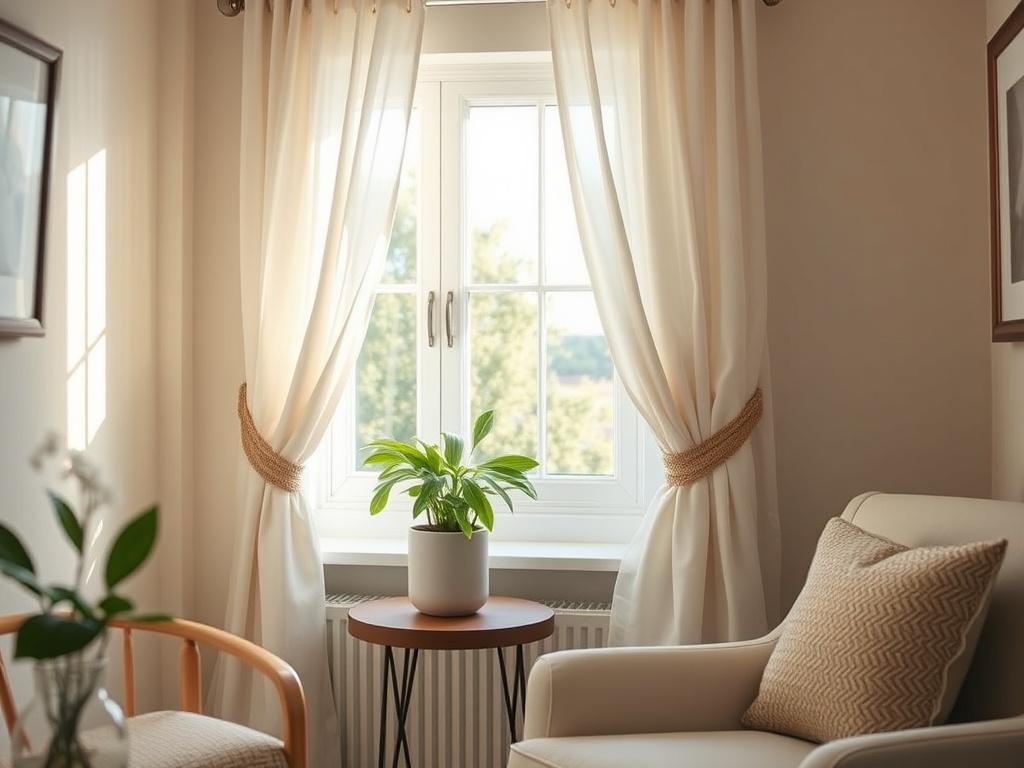
Small windows are one of the most common frustrations homeowners face, and they’re surprisingly difficult to work around. They limit natural light, make ceilings feel lower than they are, and can leave a room feeling cramped, no matter how thoughtfully the furniture is arranged. The instinct is often to assume the only real fix involves construction, but that’s rarely the case. With the right window treatments and styling decisions, you can completely change how a room reads without touching a single wall.
The problem with small windows isn’t just about light. It’s about proportion. When a window is too small for the wall it sits on, it throws off the visual balance of the entire room and draws attention to itself for all the wrong reasons. The eye naturally gravitates toward windows, and when they look pinched or out of scale, the whole space feels off. That sense of imbalance is what makes small windows feel like a design problem rather than just an architectural quirk.
Rooms with small windows also tend to feel more closed off, even when they’re generously sized. Natural light has a powerful effect on how spacious a space feels, and when it’s limited, even a well-decorated room can feel heavy and dim. Fortunately, the solution is rarely structural. In most cases, it comes down to how you frame, treat, and style the window itself.
This is the single most effective trick for making a small window look larger, and it costs very little to execute. Hanging curtain rods several inches above the window frame, ideally close to the ceiling line, draws the eye upward and creates the illusion of height. Extending the rod well beyond the window on both sides allows the curtains to stack off the glass entirely when open, which maximizes the amount of light coming through and makes the window appear significantly wider.
The curtain fabric you choose matters just as much as the placement. Floor-length panels in a light, airy material reinforce the sense of height and add elegance without overwhelming the space. Avoid heavy, dark fabrics that absorb light and visually shrink the window further. The goal is to create a treatment that frames the window generously rather than one that simply covers it.
When natural light is limited, the way you handle artificial light and reflective surfaces can make a dramatic difference. Mirrors placed near or opposite a small window bounce available light deeper into the room, creating the perception of additional space. This is one of the easiest and most affordable ways to compensate for a window that doesn’t let in enough light on its own.
Additional strategies that work well alongside window treatments include:
Each of these decisions works with your window rather than against it, creating a layered approach to light that reduces dependence on any single source.
Fussy or heavily patterned window treatments tend to make small windows look even smaller by pulling focus to the frame rather than the room. Roller shades, simple Roman shades, and streamlined panels in solid colors or subtle textures keep the window looking clean and proportionate. When the treatment blends with the wall color, the window reads as part of a cohesive design rather than a problem to solve.
Sheer panels deserve special mention here. They filter light beautifully, maintain privacy without blocking the view, and add softness to a room without adding visual weight. For small windows in particular, sheers are often the most flattering option available.
At The Reflective Designer, our team specializes in finding elegant solutions to exactly these kinds of challenges. We work with homeowners to develop window treatment strategies that enhance proportion, maximize light, and bring every room into balance without requiring a single renovation. Our approach is thoughtful, personalized, and grounded in years of practical design experience. If your small windows have been bothering you, connect with our team today and let us help you see your space differently.
